Yesterday I attended the highly interesting inaugural lecture by Professor of Geography Sven Daniel Wolfe at the University of Neuchâtel. More information here on the presentation of his lecture.
During this lecture, Professor Wolfe mentioned several stories about stadiums, such as those in Volgograd and Yekaterinburg, which reminded me of a visit I made to the Leipzig stadium in the summer of 2025.
I work in the events industry and, whilst on holiday in Berlin, I had the opportunity to visit some friendly colleagues working for Red Bull Leipzig, the city’s football club. They gave me a tour of the grounds; here I share a few photos and impressions.
The stadium is situated a little way out of the city centre, to the west. It overlooks a large esplanade, a sort of ‘sports square’, which was used for public celebrations by the dictatorship between 1933 and 1945.
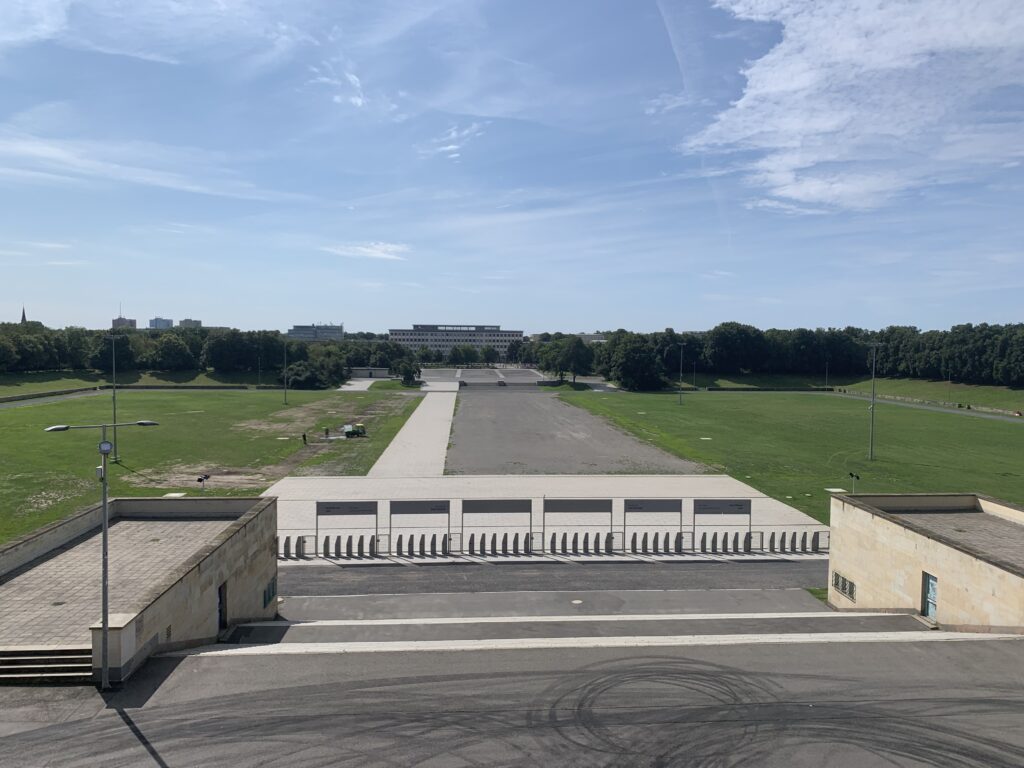
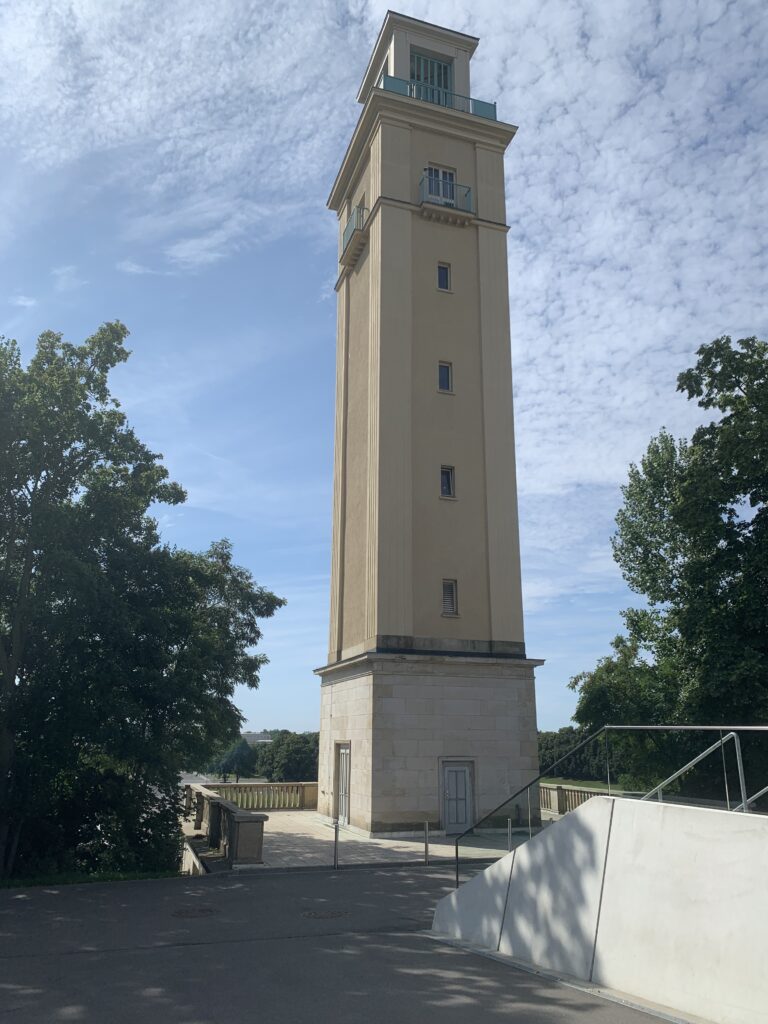
In the 1950s, the East-Germany government built a huge football stadium with a capacity of 100,000 (which no longer exists), using rubble from the bombings. Note the bell tower on the left and the building on the right.
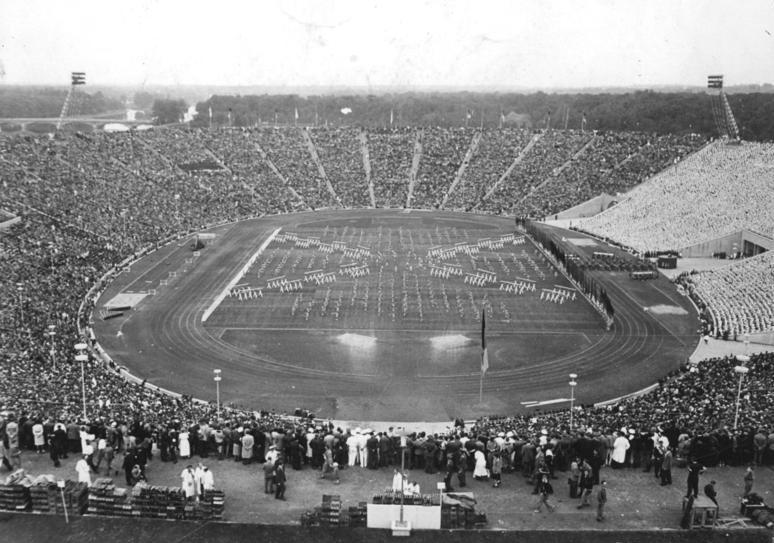
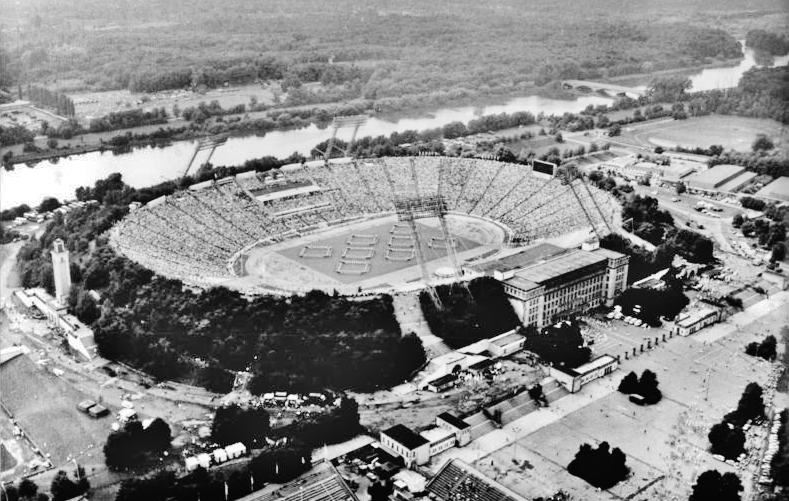
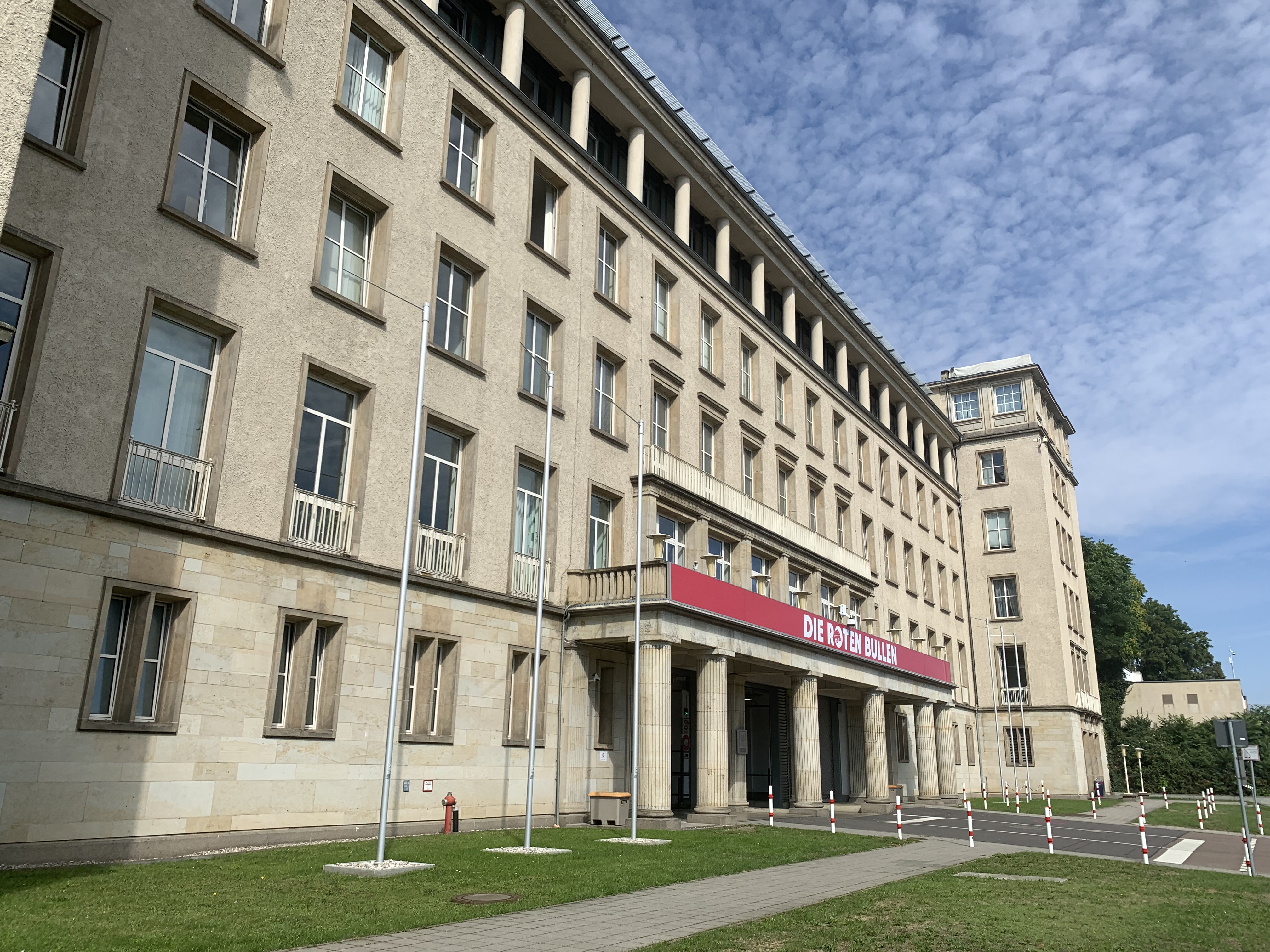
This stadium was replaced in the 2000s by a brand-new stadium, which was eventually bought by Red Bull in 2016. This is where RasenBallsport Leipzig play their home games.
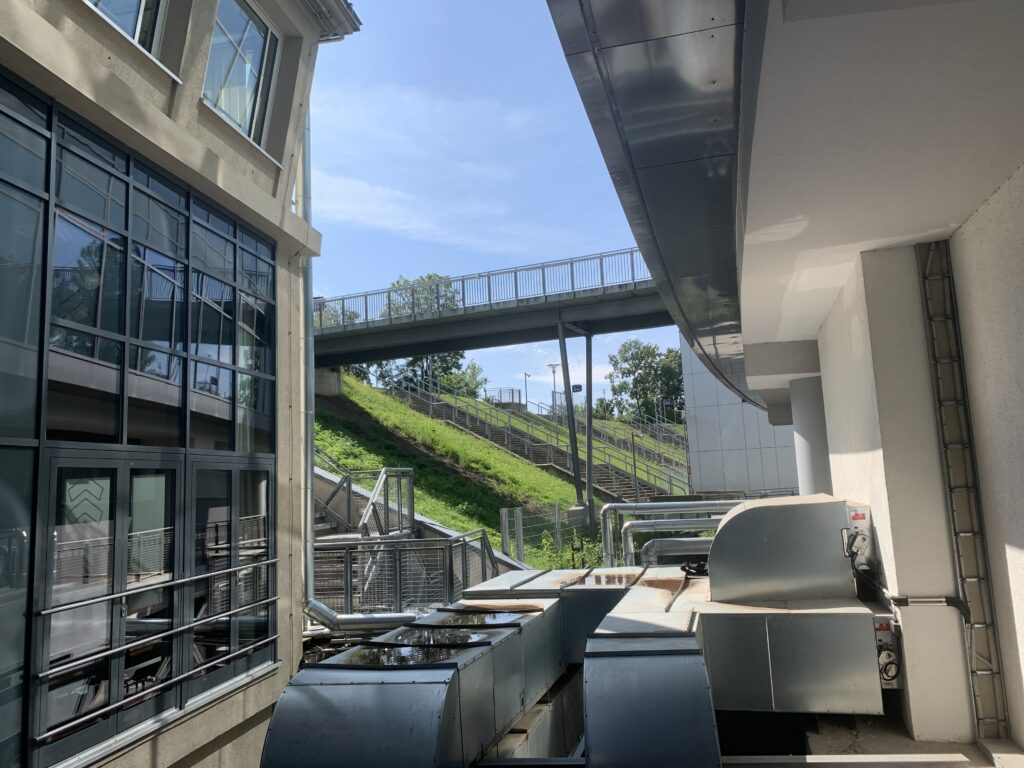
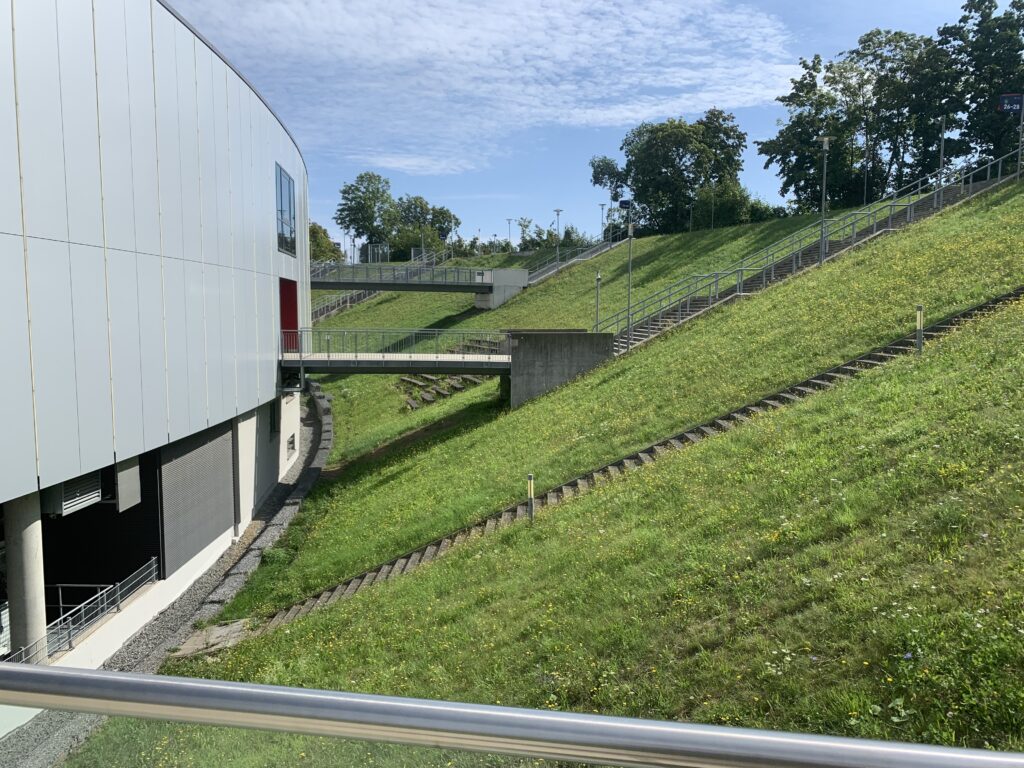
What is interesting and moving here is seeing the traces of the communist-era buildings around the new stadium, and the way in which the Red Bull Arena blends into this old urban landscape.
Here is a view of the interior:
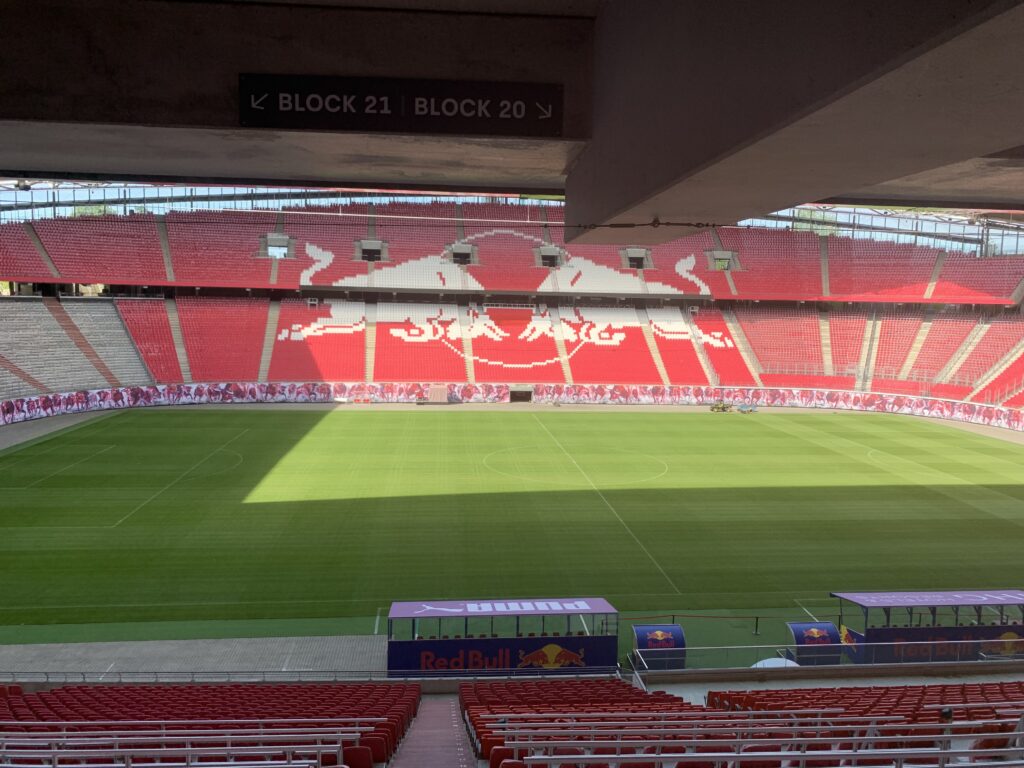
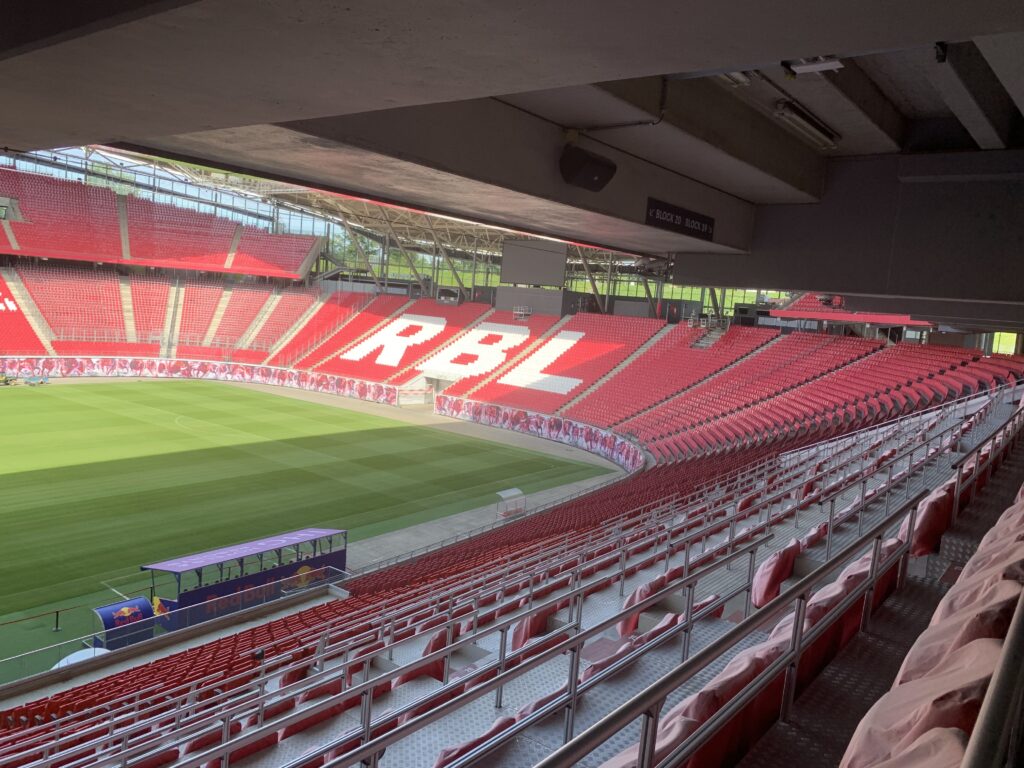
The new stadium has a capacity of around 50,000, which is half that of the old one. Here’s a fun question: what happened to the old stadium?
Well, it’s still there! The current arena is built on the site of the old stadium!
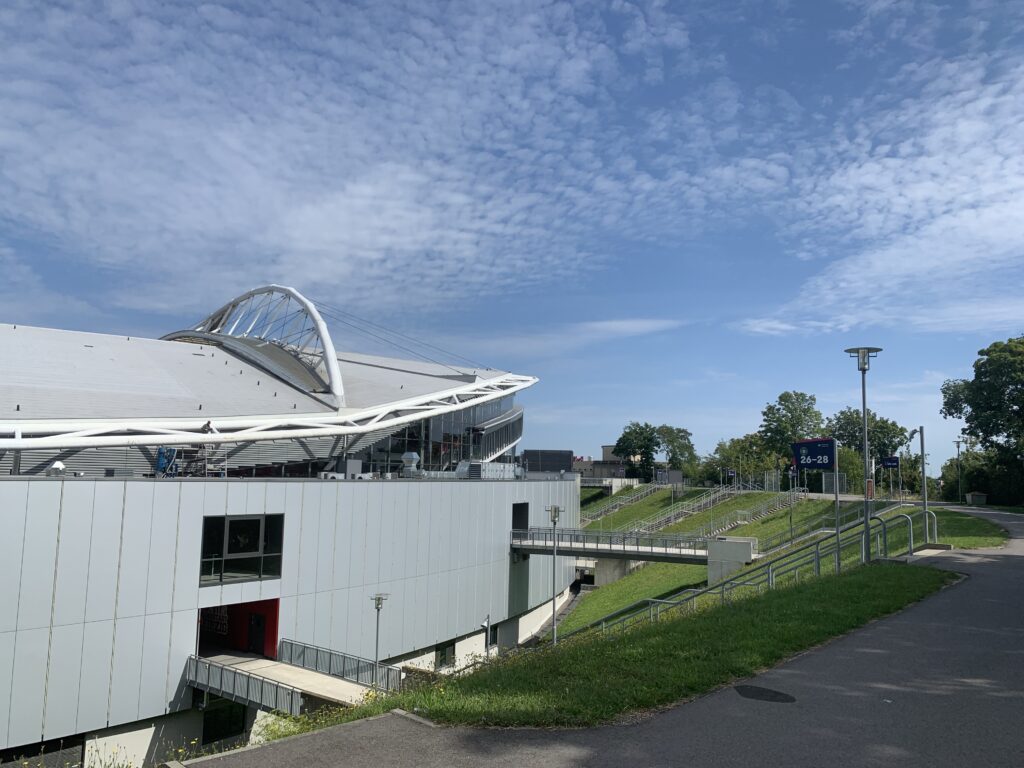
I never thought I’d ever be as interested in a stadium as I am in a cathedral.
Thanks to Florian Alber for the tour; it was a really lovely time.